
What Type of Wood Is Best for a Sauna
The best wood for a sauna is a material that can handle high heat, moisture, and repeated temperature changes without warping, cracking, or becoming uncomfortable to touch. Sauna wood should be durable, low in resin, smooth against the skin, and stable over time.
While there are several good options, the right choice depends on your sauna style, budget, appearance preferences, and maintenance expectations.
What Makes Wood Good for a Sauna?
Not every wood belongs in a sauna. The best sauna wood should offer:
- Low heat conductivity
- Moisture resistance
- Dimensional stability
- Minimal resin or sap
- Smooth surface texture
- Long-term durability
This is why sauna interiors typically use specialty woods rather than standard construction lumber.
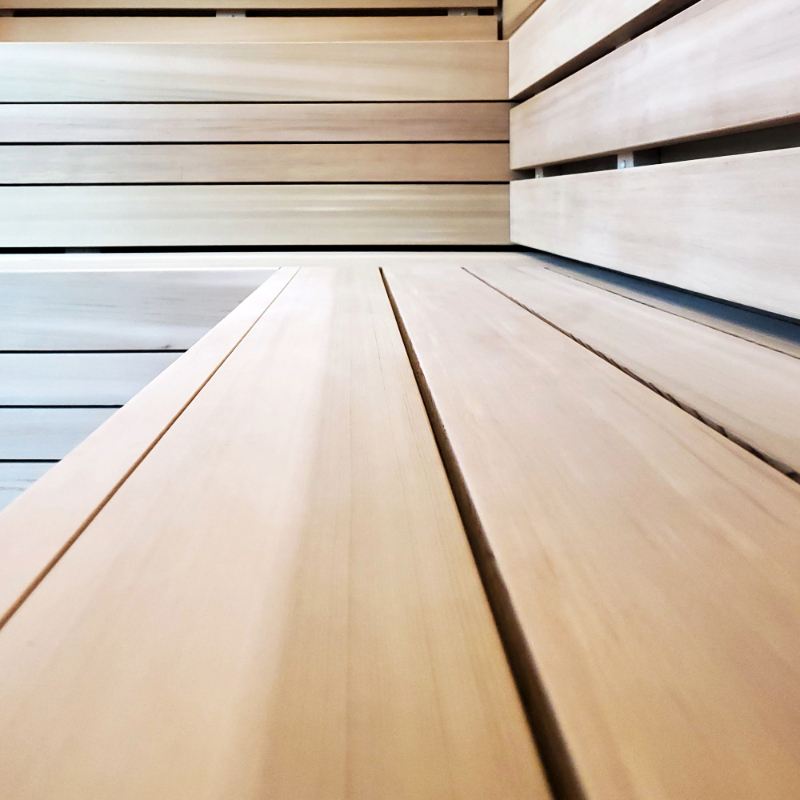
Best Wood Types for Saunas
1. Thermally Modified Wood
Thermally modified wood is one of the strongest choices for sauna construction. It is heated in a controlled process to improve stability, reduce moisture absorption, and increase resistance to warping.
This makes it especially useful for sauna benches, wall paneling, and outdoor sauna applications.
Learn more about the benefits here: Thermally Modified Wood Benefits
2. Cedar
Cedar is one of the most popular sauna woods because it is naturally aromatic, durable, and resistant to moisture. It also has low heat conductivity, making it comfortable for benches and backrests.
Cedar is a strong option for people who want a traditional sauna look and a pleasant natural scent.
3. Aspen
Aspen is a light-colored, smooth, low-resin wood that works well in sauna interiors. It does not give off a strong scent, which makes it a good choice for users who prefer a neutral sauna experience.
Aspen is commonly used for benches, backrests, and interior paneling.
4. Alder
Alder is another popular sauna wood with a warm, reddish tone and smooth finish. It handles heat well, feels comfortable against the skin, and offers a refined appearance.
It is often chosen for premium sauna interiors.
5. Spruce
Spruce is frequently used in traditional sauna construction, especially for walls and ceilings. It offers a classic look and is often more budget-friendly than some hardwood options.
For high-contact areas like benches, many sauna owners prefer smoother, lower-resin options.
What Wood Should You Avoid in a Sauna?
Avoid woods that contain high resin levels, splinter easily, or are chemically treated. Pressure-treated lumber should not be used inside a sauna.
You should generally avoid:
- Pressure-treated wood
- Painted or stained wood not rated for sauna use
- High-resin pine for seating areas
- Woods that splinter easily
- Materials not designed for high-heat environments
- Long-term durability
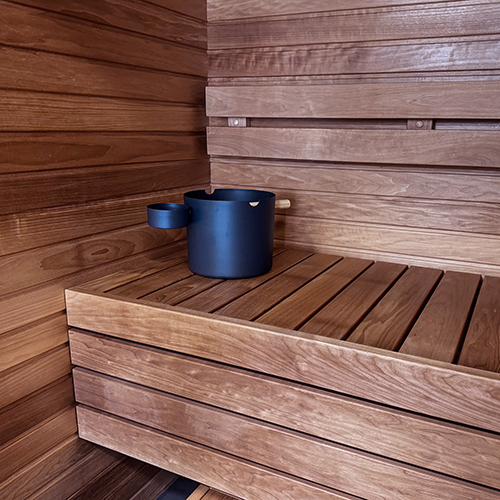
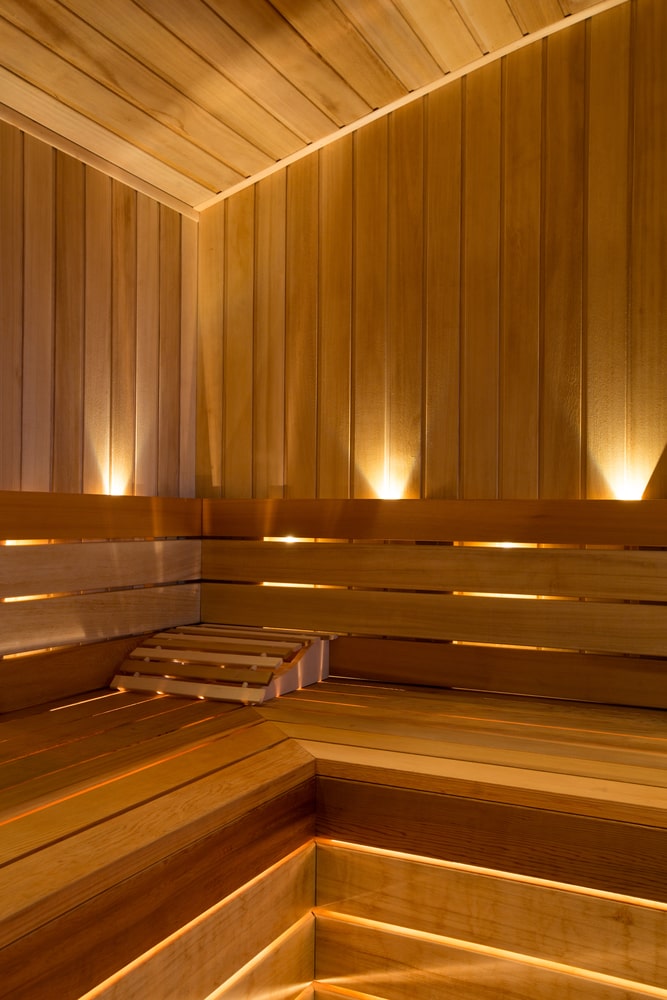
How to Make Sauna Wood Last Longer
Even the best sauna wood needs proper care. After each use, allow the sauna to ventilate and dry fully. Clean surfaces regularly with sauna-safe products and inspect benches or paneling for signs of wear.
Shop maintenance products here: Sauna Care Products
You can also complete your setup with useful sauna essentials here: Sauna Accessories
Choose Sauna-Grade Wood for Your Next Build
The best wood for a sauna depends on where it will be used and what you value most. Cedar is a classic choice, aspen and alder are smooth and comfortable, spruce offers a traditional look, and thermally modified wood provides excellent stability and durability.
For most sauna projects, the best approach is to choose sauna-grade wood specifically designed for high heat and moisture. Quality materials will make your sauna more comfortable, easier to maintain, and longer lasting. Shop our variety of sauna woods today.
